


The Pressure of Rising Costs for Restaurants
The restaurant industry faces a relentless challenge: rising costs that squeeze profitability and threaten sustainability. From ingredient prices to labor expenses, these increases have reshaped how restaurants operate and compete. Understanding these pressures and exploring practical solutions is essential for restaurant owners and managers striving to keep their businesses afloat.
Vanguard F&B Thynk Tank offers a unique approach to support the hospitality community through their Corporate F&B Team on Demand model, providing expertise and resources tailored to meet these challenges head-on.

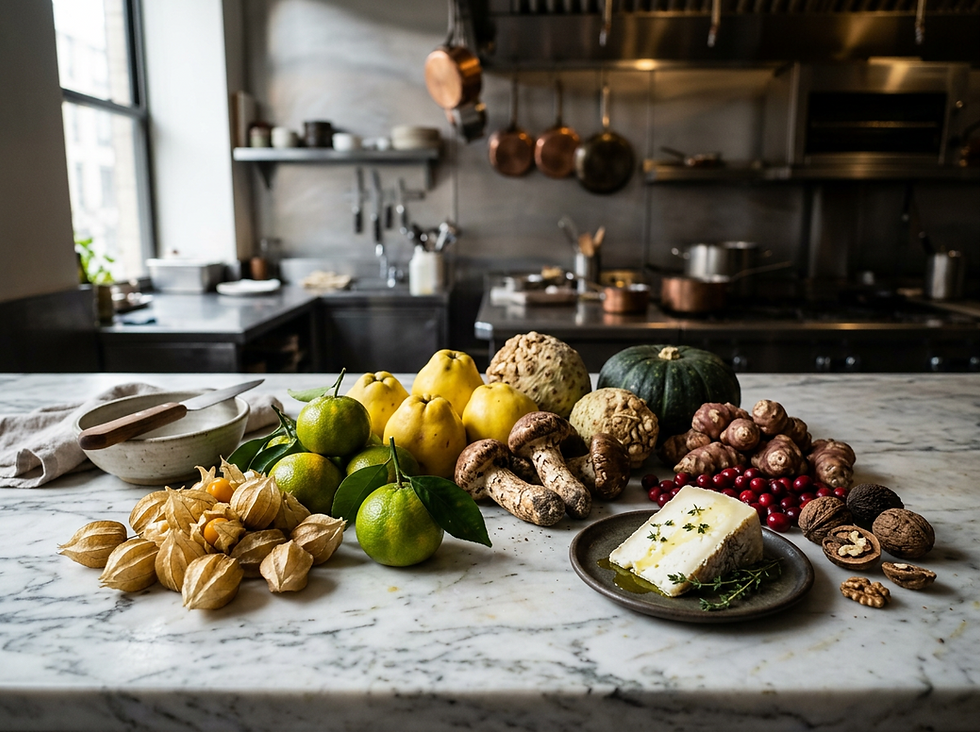
Restaurant kitchens face constant pressure managing rising ingredient and labor costs.
Understanding the Rising Costs in the Restaurant Industry
Restaurants today are navigating a complex landscape of increased expenses. Several key factors contribute to this pressure:
Food and Beverage Prices: Supply chain disruptions, inflation, and climate impacts have driven up the cost of raw ingredients. For example, the price of beef and dairy products has increased significantly over the past year, directly affecting menu pricing.
Labor Costs: Minimum wage hikes and labor shortages have pushed wages higher. Restaurants often compete fiercely for skilled staff, which raises payroll expenses.
Energy and Rent: Utility bills and commercial rents have also climbed, adding to fixed operational costs.
Regulatory Compliance: New health and safety regulations require investments in equipment and training, increasing overhead.
These rising costs reduce profit margins, forcing restaurants to make difficult decisions about pricing, staffing, and menu offerings.
How Rising Costs Impact Restaurant Profitability
Profitability depends on balancing revenue with expenses. When costs rise faster than sales, profits shrink. Some common impacts include:
Menu Price Increases: Restaurants raise prices to cover costs, but this risks alienating price-sensitive customers.
Reduced Portion Sizes or Quality: To maintain margins, some establishments cut portion sizes or substitute ingredients, which can harm reputation.
Labor Cutbacks: Reducing staff hours or benefits may save money but can lower service quality and employee morale.
Limited Investment: Higher costs leave less capital for marketing, renovations, or technology upgrades.
For example, a mid-sized restaurant might see food costs rise by 10% and labor costs by 8%, while sales only increase by 3%. This imbalance can quickly erode profitability.
Strategies Restaurants Use to Manage Rising Costs
Restaurants adopt various approaches to cope with these pressures:
Menu Engineering: Analyzing menu items to focus on high-margin dishes and remove low-profit options.
Supplier Negotiations: Building relationships with suppliers to secure better prices or bulk discounts.
Operational Efficiency: Streamlining kitchen processes and reducing waste to lower costs.
Technology Adoption: Using software for inventory management, scheduling, and sales forecasting to improve decision-making.
Staff Training: Enhancing employee skills to increase productivity and reduce errors.
While these strategies help, many restaurants lack the resources or expertise to implement them effectively.

How Vanguard F&B Thynk Tank Supports the Hospitality Community
Vanguard F&B Thynk Tank understands the challenges restaurants face and offers a practical solution through their Corporate F&B Team on Demand model. This service provides access to experienced food and beverage professionals who can assist restaurants in managing costs and improving profitability without the need for full-time hires.
Key Benefits of the Team on Demand Model
Expert Guidance: Access to specialists in menu development, cost control, and operations.
Flexible Support: Restaurants can engage the team as needed, scaling support up or down based on current challenges.
Cost-Effective: Avoids the expense of hiring permanent staff while gaining high-level expertise.
Customized Solutions: Tailored advice that fits the unique needs of each restaurant.
For example, a restaurant struggling with rising food costs might work with the Vanguard team to redesign the menu, identify alternative suppliers, and train staff on portion control. This targeted support can lead to measurable improvements in margins and customer satisfaction.
Real-World Impact of Vanguard F&B Thynk Tanks Support
Several restaurants have benefited from Vanguard’s approach:
A family-owned bistro reduced food waste by 15% within three months by implementing new inventory practices recommended by the team.
A casual dining chain improved labor scheduling efficiency, cutting overtime costs by 12% while maintaining service levels.
A new restaurant concept received help designing a profitable menu that balanced quality and cost, accelerating its path to break-even.
These examples show how expert support can translate into tangible results, helping restaurants survive and thrive despite rising costs.

Taking Action: How Restaurant Owners Can Get Help
If rising costs are putting pressure on your restaurant, consider reaching out to Vanguard F&B Thynk Tank
. Their Corporate F&B Team on Demand model offers a practical way to access expertise and develop strategies tailored to your business.
You can schedule a free one-on-one consultation with our founder to discuss your specific challenges and explore how Vanguard can help. This personalized session provides valuable insights and actionable advice without any obligation.
Rising costs are a reality for restaurants today, but they do not have to mean failure. By understanding the factors at play and seeking expert support, restaurant owners can find ways to protect their margins and continue delivering great experiences to their customers. Vanguard F&B Thynk Tank's flexible, expert-driven approach offers a valuable resource for navigating these challenges and building a stronger future.
Take the next step to safeguard your restaurant’s profitability by scheduling a free consultation today.

Comments