


Mastering Restaurant Margins in 2026: Top 10 Foods with Price Volatility and Innovative Quality Solutions
Managing food costs remains one of the biggest challenges for restaurants in 2026. Price swings in key ingredients can quickly erode margins, forcing tough choices between quality and profitability. Yet cutting corners or switching to cheaper products risks damaging your brand and customer loyalty. The key lies in creative, quality-focused strategies that protect your bottom line without sacrificing the dining experience.
This post explores the top 10 foods facing the most price volatility this year and offers practical, innovative ways to maintain quality while managing costs. Whether you run a fine dining establishment or a casual eatery, these insights will help you stay ahead of market shifts and keep your menu strong.

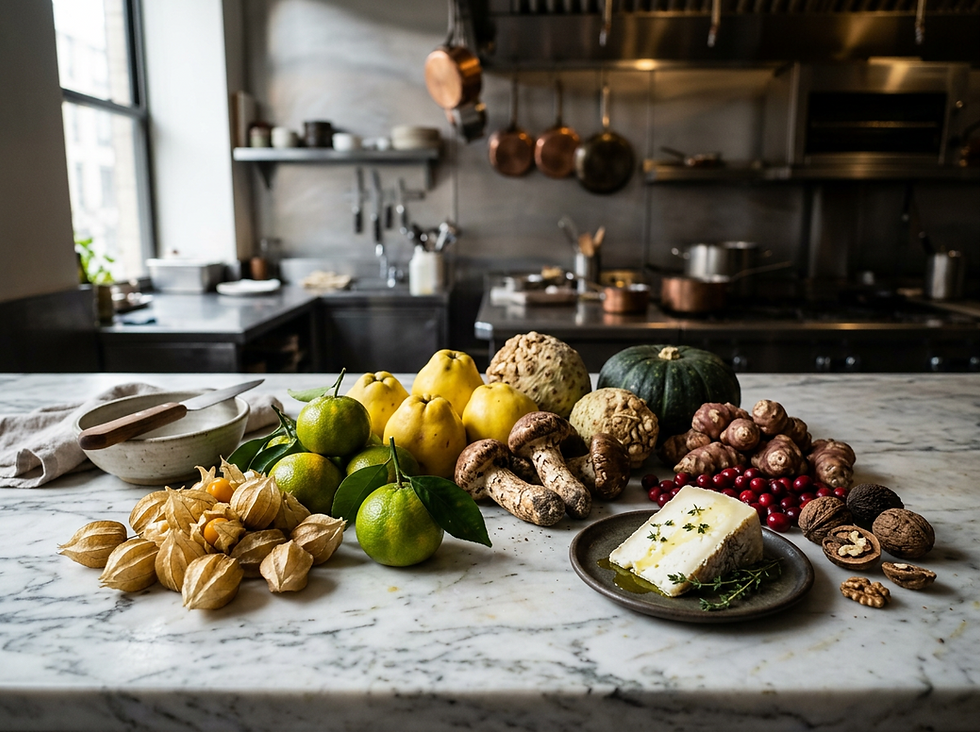
Seasonal vegetables offer a fresh, cost-effective way to maintain quality while managing price swings.
1. Beef Cuts
Beef prices fluctuate due to feed costs, weather impacts on cattle, and global demand. Premium cuts like ribeye and tenderloin are especially volatile.
Quality-focused strategies:
Use lesser-known cuts with similar flavor profiles, such as flat iron or bavette, prepared with expert techniques like sous vide or marinating to enhance tenderness.
Build signature dishes around these cuts, educating customers on their unique qualities.
Partner with local ranchers for consistent supply and negotiate fixed-price contracts.
2. Dairy Products
Milk, cheese, and butter prices vary with feed costs and seasonal production cycles.
Creative solutions:
Incorporate artisanal, locally produced cheeses that may cost more upfront but reduce waste due to stronger flavors requiring smaller portions.
Use cultured butter alternatives in sauces that maintain richness but extend yield.
Develop menu items that highlight dairy’s flavor impact, allowing smaller quantities without losing quality.
3. Seafood
Seafood prices are affected by overfishing, fuel costs, and import restrictions.
Maintaining quality affordably:
Source sustainable, seasonal fish varieties that are abundant and less expensive.
Introduce creative preparations for underutilized species with similar textures or flavors.
Collaborate with local fishers to secure fresh catches at stable prices.
4. Poultry
Chicken and turkey prices can spike due to disease outbreaks or feed price changes.
Smart approaches:
Offer heritage breed poultry dishes that command premium prices and justify higher costs.
Use whole birds creatively to maximize yield across multiple dishes.
Freeze and portion strategically to avoid last-minute price surges.
5. Grains and Legumes
Wheat, rice, and beans face volatility from climate events and geopolitical tensions.
Innovative ideas:
Rotate grains seasonally, using ancient grains like farro or freekeh when prices dip.
Incorporate legumes as protein-rich, cost-effective menu components without compromising flavor.
Source from regional growers to reduce transportation costs and delays.

6. Fresh Produce
Fruits and vegetables are highly sensitive to weather and supply chain disruptions.
Quality-first tactics:
Emphasize seasonal menus that highlight peak-quality produce at lower prices.
Preserve surplus produce through pickling, fermenting, or freezing to extend availability.
Build relationships with multiple suppliers to avoid shortages.
7. Coffee and Tea
Global supply issues and climate change impact coffee bean and tea leaf prices.
Maintaining premium beverage quality:
Source single-origin beans and leaves directly from growers to reduce middlemen costs.
Offer specialty blends that use smaller amounts of high-quality ingredients.
Educate staff and customers on brewing techniques that maximize flavor from less quantity.
8. Spices and Herbs
Price swings occur due to crop failures and export restrictions.
Smart sourcing and usage:
Grow fresh herbs onsite or partner with local herb farms.
Use spice blends crafted in-house to stretch expensive spices without losing flavor.
Train kitchen staff to use spices efficiently, focusing on layering flavors.
9. Oils and Fats
Olive oil and specialty fats vary with harvest yields and global demand.
Balancing cost and quality:
Use high-quality oils for finishing dishes while cooking with more stable, neutral oils.
Experiment with infused oils to add flavor without extra ingredients.
Buy in bulk and store properly to avoid spoilage.
Render fats down and utilize them to cook proteins in, for example if your cooking steak use beef tallow.
10. Chocolate and Sweeteners
Cocoa and sugar prices fluctuate due to climate and trade factors.
Creative dessert solutions:
Incorporate alternative sweeteners like honey or fruit purees that add complexity and reduce sugar use.
Use high-quality chocolate in smaller amounts paired with complementary flavors.
Develop desserts that highlight texture and presentation to justify premium pricing.

Using diverse grains and legumes can help stabilize costs while delivering quality dishes.
Final Thoughts on Protecting Margins Without Sacrificing Quality
Price volatility in key food items will continue to challenge restaurants in 2026. The best way to protect margins is not by cutting quality but by embracing creativity and flexibility. Using alternative cuts, seasonal ingredients, local sourcing, and smart preservation techniques can keep your menu appealing and profitable.
Focus on educating your team and customers about these choices to build appreciation for quality-driven innovation. This approach strengthens your brand and keeps diners coming back despite market fluctuations.
Explore these strategies and adapt them to your unique kitchen. Your margins and your guests will thank you.
Ready to take control of your food costs while maintaining exceptional quality? Start by reviewing your current suppliers and menu items today. Small changes can lead to big savings without compromising your restaurant’s reputation.
Schedule a Free One on One with our Founder
Our goal is simple: to support independent restaurant operators and build lasting relationships within the hospitality industry. Schedule a brief, complimentary consultation today to discuss your operational challenges—zero pressure, pure value.

Comments