


Is Trump Going To Lower Meat Prices? The Impact of DOJ Investigations on the Meat Packing Industry and What It Means for American Families and Restaurants
- jtripodi319
- 1 day ago
- 3 min read
The Department of Justice (DOJ) has recently intensified its investigation into the meat packing industry, shining a spotlight on practices that could have far-reaching effects on American families, restaurants, hotels, investors, and the broader economy. This renewed scrutiny comes amid growing concerns about pricing, supply chain disruptions, and market competition. Understanding the implications of this investigation is crucial for anyone involved in food consumption, hospitality, or investment sectors.
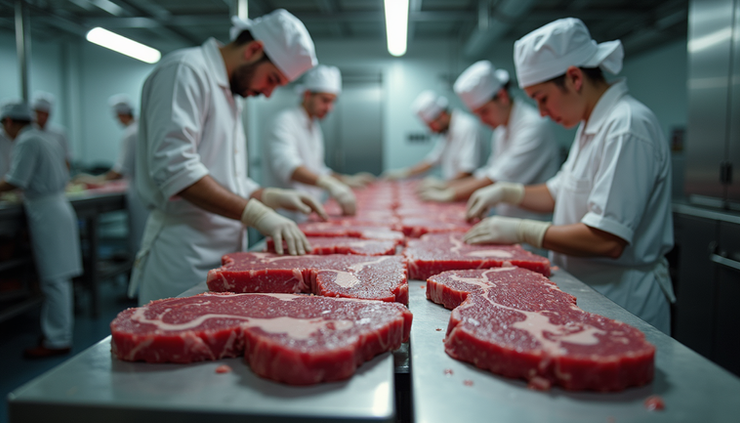
Why the DOJ Is Focusing on the Meat Packing Industry
The meat packing industry in the United States is dominated by a handful of large companies controlling a significant share of beef, pork, and poultry processing. This concentration raises concerns about potential anti-competitive behavior, price manipulation, and unfair practices that could harm consumers and smaller businesses.
The DOJ’s investigation aims to:
Examine whether major meat packers are colluding to fix prices or limit supply.
Assess if these companies are engaging in unfair contracts that squeeze out smaller producers.
Investigate the impact of industry consolidation on market competition and consumer prices.
Recent reports suggest that meat prices have surged significantly over the past few years, with some consumers paying up to 20% more for beef and pork. The DOJ wants to determine if these price hikes are justified by market conditions or if they result from unlawful practices.
How This Investigation Affects American Families
Meat is a staple in many American households, and rising prices directly impact family budgets. When the cost of beef, pork, and chicken increases, families face tough choices:
Buying less meat or switching to cheaper protein sources.
Reducing dining out to save money.
Experiencing increased food insecurity, especially in low-income communities.
The DOJ’s probe could lead to actions that restore fair pricing and improve supply chain transparency. If successful, families might see more affordable meat prices and better access to quality products.
Impact on Restaurants and Hotels
Restaurants and hotels rely heavily on meat products for their menus. The DOJ investigation could affect these businesses in several ways:
Cost pressures: Higher meat prices increase operational costs, forcing restaurants to raise menu prices or reduce portion sizes.
Supply uncertainty: Disruptions or changes in supplier contracts could lead to inconsistent meat availability.
Menu adjustments: Some establishments may shift to plant-based or alternative protein options to manage costs.
For small and medium-sized restaurants, these challenges can be particularly severe, as they often lack the purchasing power of large chains to negotiate better prices.
What Investors Should Know
Investors in the food industry, hospitality, or related sectors should monitor the DOJ investigation closely. Potential outcomes include:
Regulatory actions against major meat packers, which could affect stock prices and market valuations.
Increased competition if the DOJ enforces measures to reduce industry concentration.
Opportunities in alternative protein markets as consumer preferences shift.
Understanding these dynamics can help investors make informed decisions and anticipate market changes.
Broader Economic Implications
The meat packing industry is a significant part of the U.S. economy, supporting millions of jobs and contributing billions in revenue. The DOJ’s investigation could influence:
Supply chain resilience: Encouraging fairer practices may strengthen supply chains and reduce vulnerability to shocks.
Inflation: Meat prices are a component of food inflation; addressing unfair pricing could help control overall inflation.
Rural economies: Many meat packing plants are located in rural areas; changes in the industry affect local employment and economic health.
What Comes Next
The DOJ’s investigation is ongoing, and its findings could lead to lawsuits, fines, or new regulations. Stakeholders should prepare by:
Monitoring updates from the DOJ and industry news.
Reviewing contracts and supply agreements for potential risks.
Exploring alternative suppliers or protein sources.
Advocating for transparency and fair practices in the supply chain.
Families, restaurant owners, hotel managers, and investors all have a stake in the outcome. Staying informed and adaptable will be key to navigating the changes ahead.



Comments