


Are We Eating Our Way to Illness: The Hidden Truth Behind America's Chemical-Laden Food Supply
Every day, millions of Americans sit down to meals that look appealing and taste satisfying. Yet beneath the surface of these familiar dishes lies a troubling reality: our food is increasingly filled with chemicals designed to boost profits for large companies, often at the expense of our health. This is not just a theory or a conspiracy—it is a growing concern backed by research and real-world evidence. The food we consume, once a source of nourishment and healing, now carries hidden dangers that slowly chip away at our well-being.

The Chemical Invasion in American Food
The American food supply has undergone a dramatic transformation over the past century. What once was fresh, local, and seasonal has become dominated by processed, preserved, and chemically enhanced products. To extend shelf life, improve appearance, and increase flavor intensity, food manufacturers add a cocktail of artificial ingredients, preservatives, flavor enhancers, and colorants.
Some of the most common chemicals found in everyday foods include:
Artificial sweeteners like aspartame and sucralose, linked in some studies to metabolic issues.
Preservatives such as sodium benzoate and BHA/BHT, suspected to disrupt hormone function.
Color additives like Red 40 and Yellow 5, which have been associated with hyperactivity in children.
Pesticide residues from industrial farming practices that remain on fruits and vegetables.
These chemicals are not just harmless additives; many have been connected to chronic diseases including obesity, diabetes, cancer, and neurological disorders. The problem worsens when these substances accumulate in the body over time.
Profits Over People: The Corporate Motive
Big food corporations prioritize profit margins above all else. Chemicals allow them to produce food cheaply, keep products on shelves longer, and create addictive flavors that encourage repeat purchases. This business model thrives on volume and convenience, not on health or sustainability.
The result is a food environment where consumers are often unaware of what they are eating. Labels can be confusing or misleading, and many harmful ingredients hide behind scientific names that sound benign. Meanwhile, these companies spend billions marketing their products as tasty, fun, and family-friendly, distracting from the health risks.
The Slow Poisoning of a Nation
The health consequences of this chemical-laden food supply are staggering. Rates of chronic illnesses have skyrocketed in the last few decades, coinciding with the rise of processed foods. For example:
The Centers for Disease Control and Prevention (CDC) reports that over 42% of American adults are obese, a condition linked to processed food consumption.
Studies have found correlations between artificial food additives and increased risks of cancer and neurological problems.
Children exposed to certain food dyes and preservatives show higher rates of attention deficit hyperactivity disorder (ADHD).
This is not a coincidence. The food system is quietly contributing to a public health crisis, one meal at a time.

Food as Medicine: A Lost Tradition
Before the rise of industrial food production, people understood the power of food to heal and sustain. Traditional diets focused on whole foods, herbs, and natural ingredients that supported the body’s functions and prevented illness. Many cultures used food as a form of medicine, recognizing that what we eat directly affects our health.
For example:
Turmeric has been used for centuries in Ayurvedic medicine for its anti-inflammatory properties.
Leafy greens and fruits provided essential vitamins and antioxidants that helped fight disease.
Fermented foods like yogurt and sauerkraut supported gut health and immunity.
This wisdom has been overshadowed by convenience and profit-driven food manufacturing. Reclaiming the idea of food as medicine means choosing fresh, natural, and minimally processed foods whenever possible.
What Can We Do?
Awareness is the first step toward change. Here are practical ways to protect yourself and your family from chemical-laden foods:
Read labels carefully. Look for recognizable ingredients and avoid products with long lists of artificial additives.
Choose whole foods. Fresh fruits, vegetables, nuts, seeds, and whole grains are less likely to contain harmful chemicals.
Support local farmers. Buying from farmers’ markets or community-supported agriculture (CSA) programs reduces exposure to pesticides and preservatives.
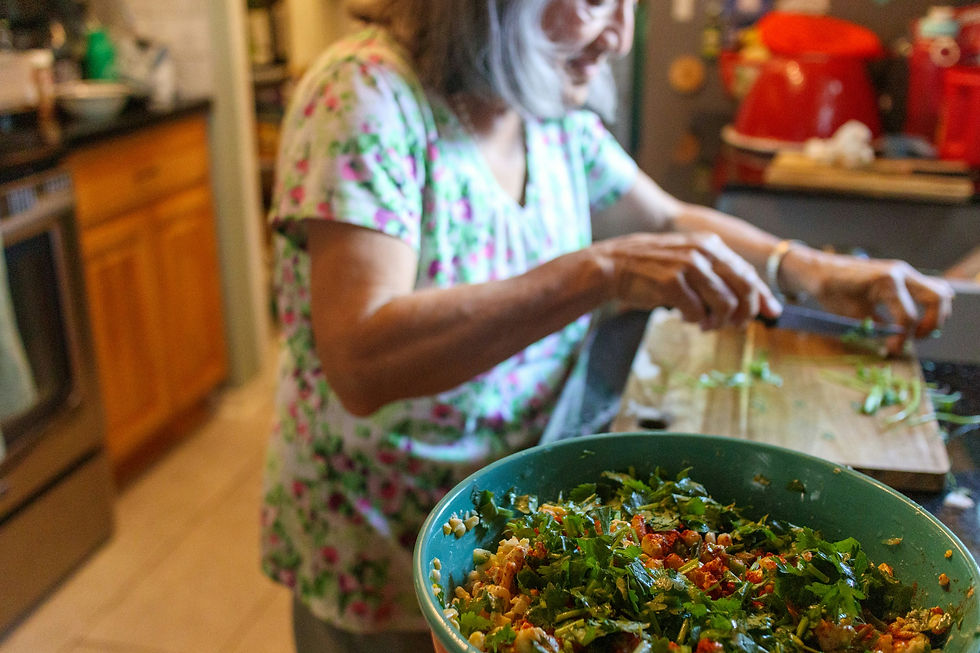
Cook at home. Preparing meals from scratch gives you control over what goes into your food.
Advocate for transparency. Demand clearer labeling and stricter regulations on food additives.
By making informed choices, consumers can push back against the chemical invasion and encourage a healthier food system.


Comments